
Three Phase Meter are crucial devices in modern electrical systems, especially where power demands are high and efficiency is essential.
If you’re new to the concept, you’re not alone-many people face confusion when choosing between single-phase, three-phase, or even four-phase metering.
This confusion often arises when deciding which system best fits their needs, whether for a home, business, or industrial facility.
To help clarify, let’s explore what makes three-phase meters unique and why they are so important in modern electrical infrastructure.
Knowing What a Three Phase Meter Is Crucial
A three-phase electric meter measures how much electricity is used in systems powered by three-phase electricity. This device helps both utility companies and users keep track of energy consumption and ensure accurate billing.
Three-phase power involves three alternating currents, each 120 degrees apart. This type of power supply is common in factories, businesses, and some homes that need a lot of electricity. The three-phase meter is built to handle these specific power systems.
The meter records the energy used, usually in kilowatt-hours (kWh). It includes parts like current transformers, voltage transformers, and a measuring unit. These parts work together to measure the voltage and current, allowing the meter to calculate total energy use.
A major advantage of three-phase meters is that they can track both active and reactive power. Active power is the real energy used by devices, while reactive power is the energy that moves back and forth due to certain electrical loads. Measuring both helps improve energy efficiency and keeps the power grid stable.
Three-phase electric meters are essential for today’s power networks. They provide important information for billing, managing loads, and monitoring the system. Knowing how these meters work helps both providers and users manage energy better and save on costs.
Single-phase vs Three Phase Meter
Three-phase and Three Phase Meter differ in several important ways.
The main difference is the type of power supply each meter supports. Single-phase meters are made for systems with one phase, which is common in most homes. In contrast, three-phase meters are used for systems with three phases, often found in factories, businesses, and some homes that need more power.
Single-phase meters measure the energy used by a single electrical circuit. Three-phase meters, however, track the total energy across all three phases. This gives a clearer and more detailed view of energy use in larger or more complex setups.
Three-phase meters also tend to offer more advanced features than single-phase meters. Many come with technology for remote monitoring and data communication, making it easier to collect and manage energy data.
Additionally, three-phase meters are built to handle higher currents and voltages. This makes them suitable for heavy-duty applications, ensuring accurate measurement even when power demands are high.
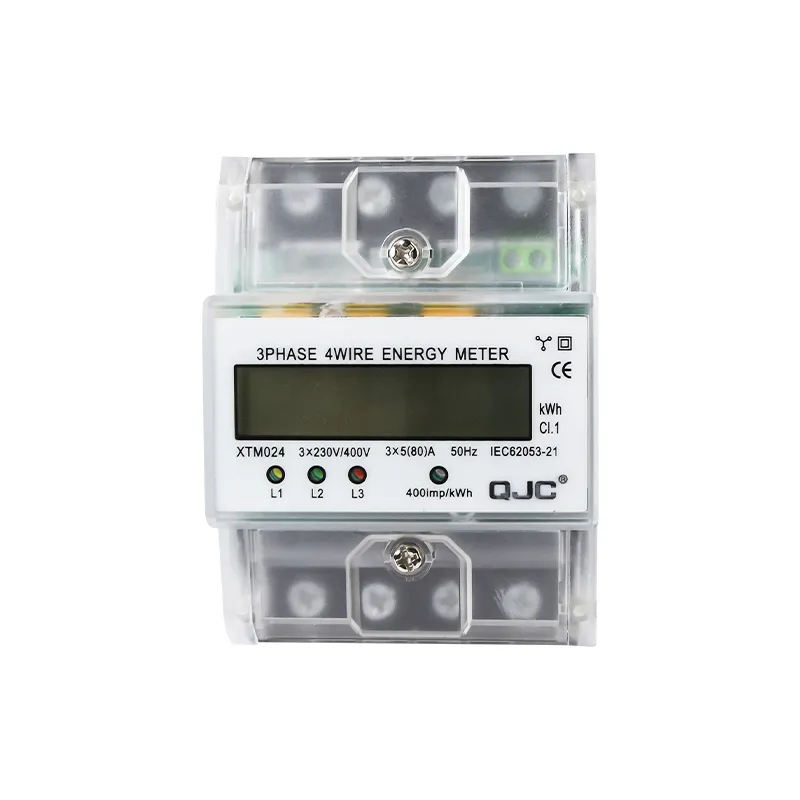
Exploring the Advantages of 3 Phase Electricity Meter
Choosing a three-phase electricity meter brings several important benefits, making it the preferred option for many factories, businesses, and homes with high power needs.
You Will Get Accurate Measurement
Three Phase Meter are designed to deliver precise readings of energy use in systems with three-phase power. This accuracy is crucial for correct billing and helps both providers and users manage energy more efficiently. By measuring each phase separately and calculating the total, these meters ensure that all energy consumption is accounted for, reducing errors and discrepancies.
3 Phase Electric Meter Has Higher Power Capacity
These meters are built to handle much larger electrical loads than single-phase meters. Their higher current and voltage ratings make them suitable for demanding environments such as industrial plants, commercial buildings, and large residences. This capacity ensures reliable operation even when power requirements are high, without sacrificing measurement accuracy.
Get to Know About Your Total Electrical Consumption
A three-phase meter provides a complete view of energy use across all phases. This comprehensive monitoring allows for better control and oversight of electricity consumption in complex electrical systems. By understanding total usage and identifying patterns, users can optimize their energy management and avoid unnecessary waste.
Avail Advanced Features with 3 Phase Electric Meter
Modern three-phase meters often include advanced features like remote monitoring, data recording, and communication capabilities. These tools enable utilities to collect data efficiently and respond quickly to issues such as overloads or imbalances. Advanced meters can also measure power quality factors, such as voltage fluctuations and harmonic distortions, helping to maintain a stable and efficient power supply.
Three-phase electricity meters are essential for accurate billing, effective energy management, and dependable operation in settings with significant power demands. Their ability to measure, monitor, and manage energy use makes them valuable for both utility providers and consumers
Conclusion
This blog has explained the meaning and importance of three-phase meters. We discussed how these meters work, their role in measuring energy use, and why they are essential for systems using three-phase power. By comparing them to single-phase meters, we saw that three-phase meters offer greater accuracy, higher capacity, and more advanced features.
With this understanding, it’s clear that Three Phase Meter are vital in today’s electrical networks, whether in factories, commercial spaces, or large homes. As energy management continues to evolve, three-phase metering remains a reliable and effective choice for most users.